
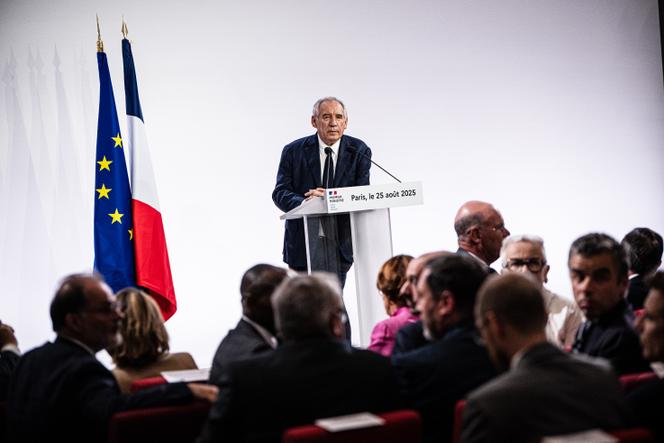
Since François Bayrou's kamikaze decision to hold a vote of confidence in the Assemblée Nationale – which he lost on Monday, September 8 – in an attempt to reach a consensus on the seriousness of the national debt, the debate has only become more polarized. The controversies have led to further division rather than constructive awareness of France's current impasse.
The prime minister's task was made all the more difficult by the fact that the responsibility is collective and therefore difficult to assume individually. In his farewell speech, Bayrou said, "The debt is each of us." The phrase provoked outrage from the opposition parties and angered the French public, who responded in unison: The debt is someone else's problem.
Bayrou's statement was undoubtedly politically clumsy. According to a recent poll by Elabe-Les Echos, only 14% of French people acknowledge the existence of collective responsibility. However, the prime minister was merely summarizing the reality of the last 50 years, during which warnings were carefully ignored by both leaders and the public.
This denial became self-justifying. From one presidential election to the next, and regardless of whether the country was in a recession or experiencing growth, the debt accumulated without any negative consequences. Sheltered under the euro and the European Central Bank, the financial lifeline was maintained painlessly. The more public funds were injected, the more the numbing effect plunged the country into a profound sleep.
You have 72.06% of this article left to read. The rest is for subscribers only.